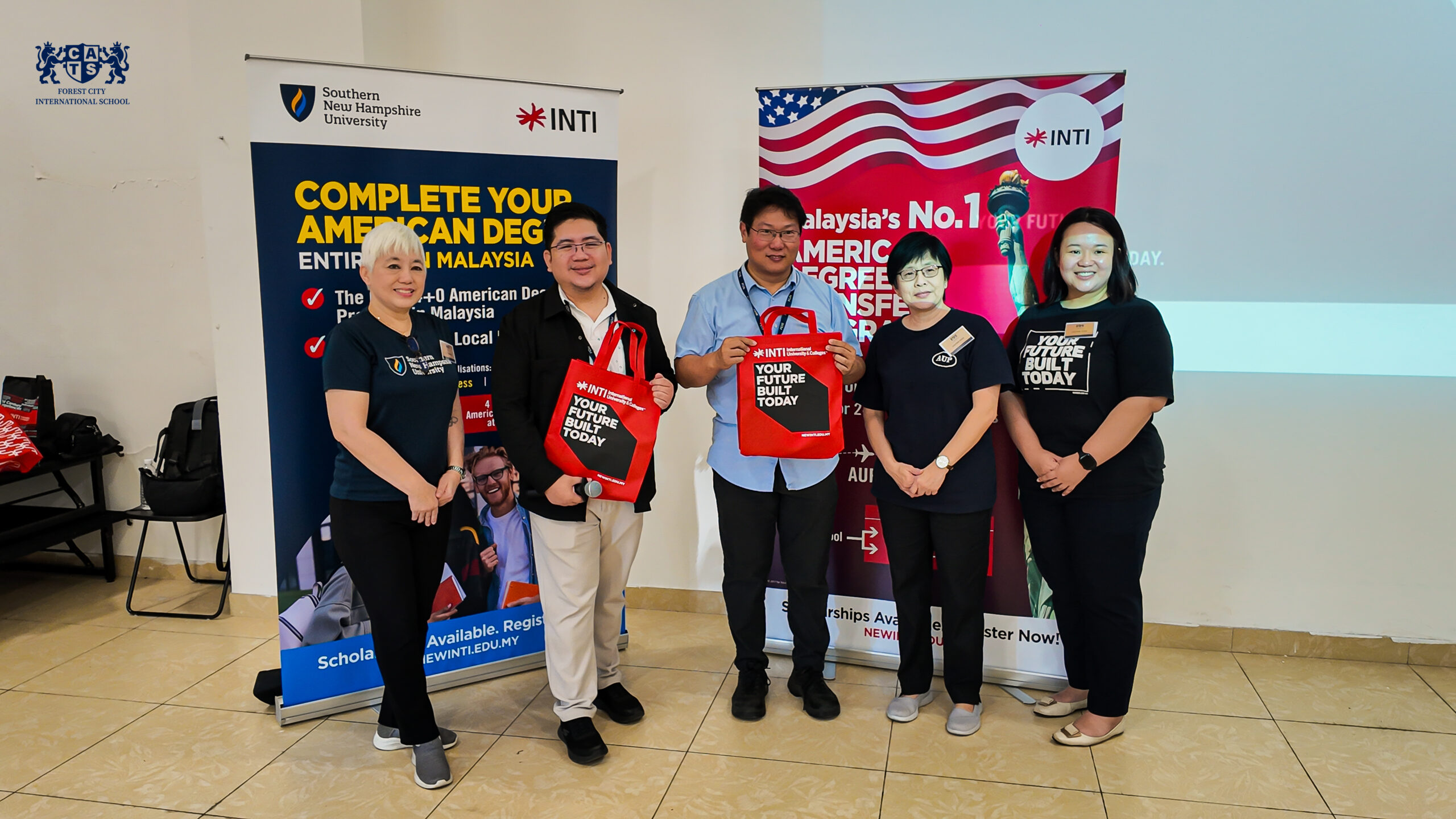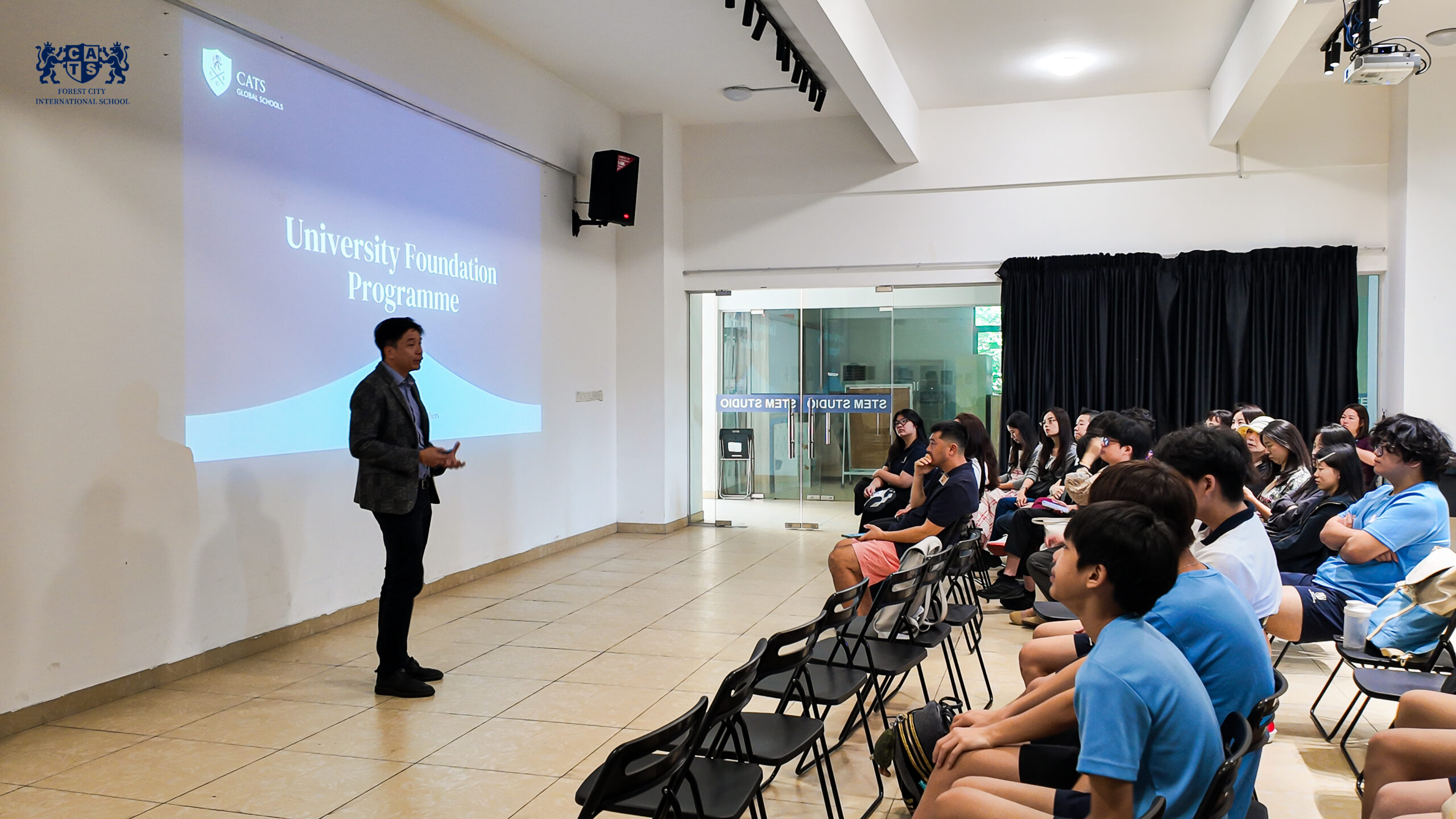
Our FCIS community came together for a fun and festive...
Read More
At FCIS, we bridge Middle School (G7-G8) to High School (G9-G12) with a seamless pathway that builds foundational skills, fosters independence, and culminates in a US recognized high school diploma – opening doors to top universities worldwide.
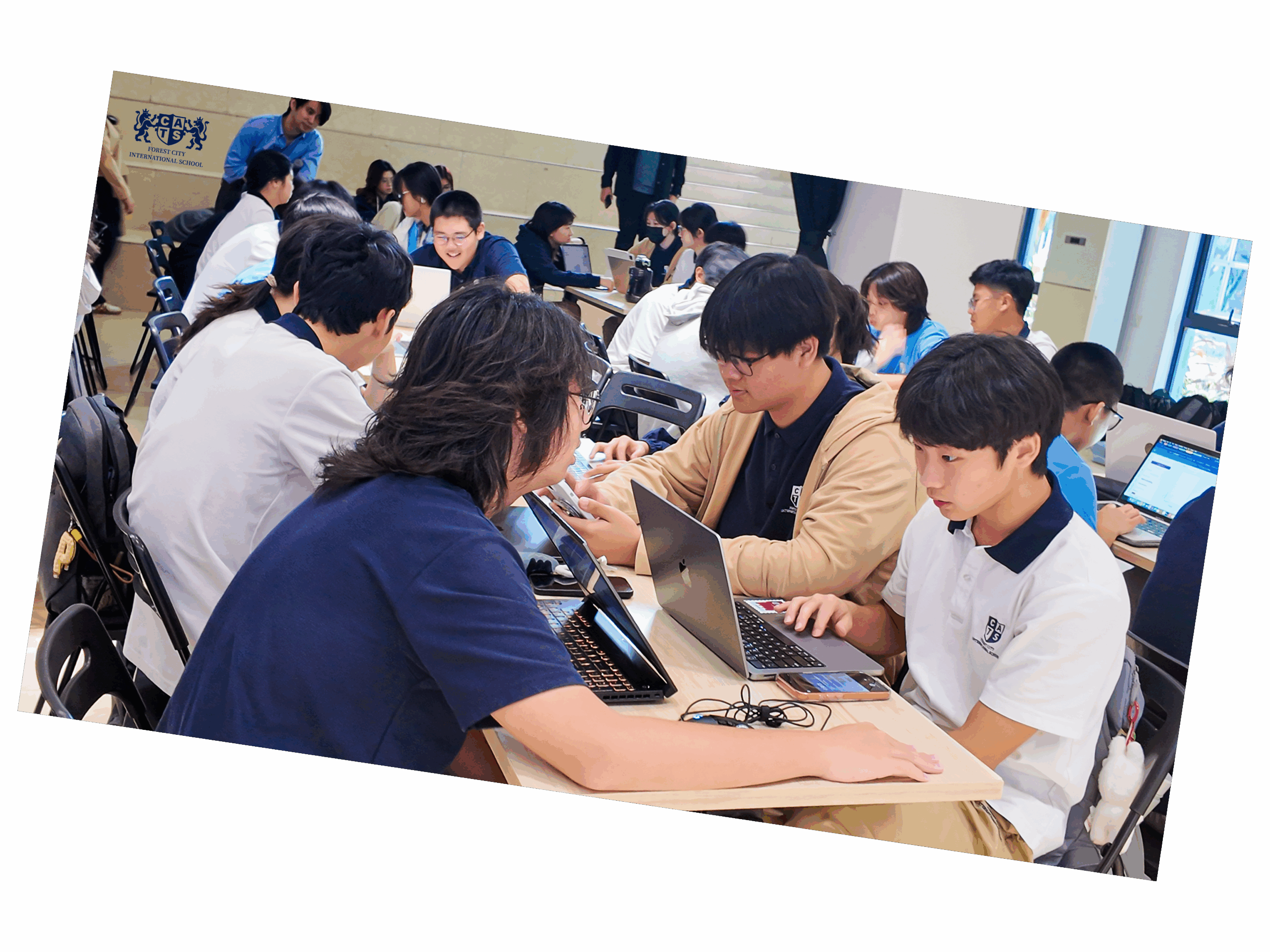
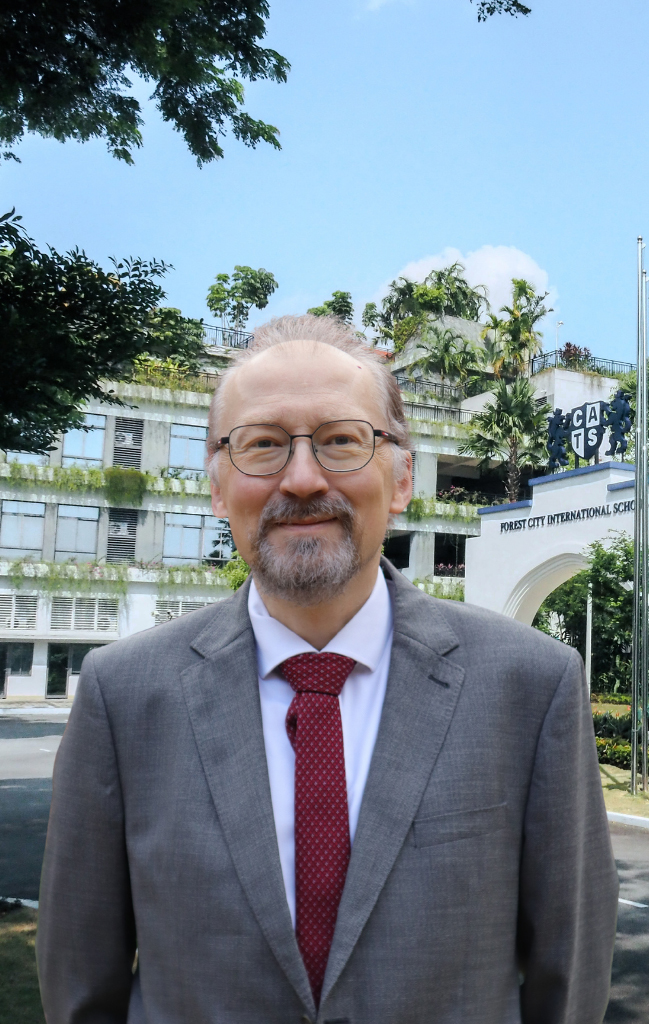
Mr. Fred Li, originally from Taiwan, China and having spent part of his childhood in the U.S., is a distinguished educator with over 20 years of experience in teaching and administration. He began his career as a doctoral researcher in chemical engineering before transitioning into education in 2000, bringing scientific precision and academic rigor to his leadership roles. As Principal and Academic Supervisor at three international schools, he led them to recognized excellence. Now at FCIS, he serves as Upper School Principal, guiding curriculum development, faculty training, and sustainable school growth.
Fred has been instrumental in guiding students through the college application process, particularly those aiming for top-tier universities such as UC Berkeley and Oxford. His mentorship and expertise have been critical in helping students achieve their academic aspirations and secure placements at prestigious institutions.
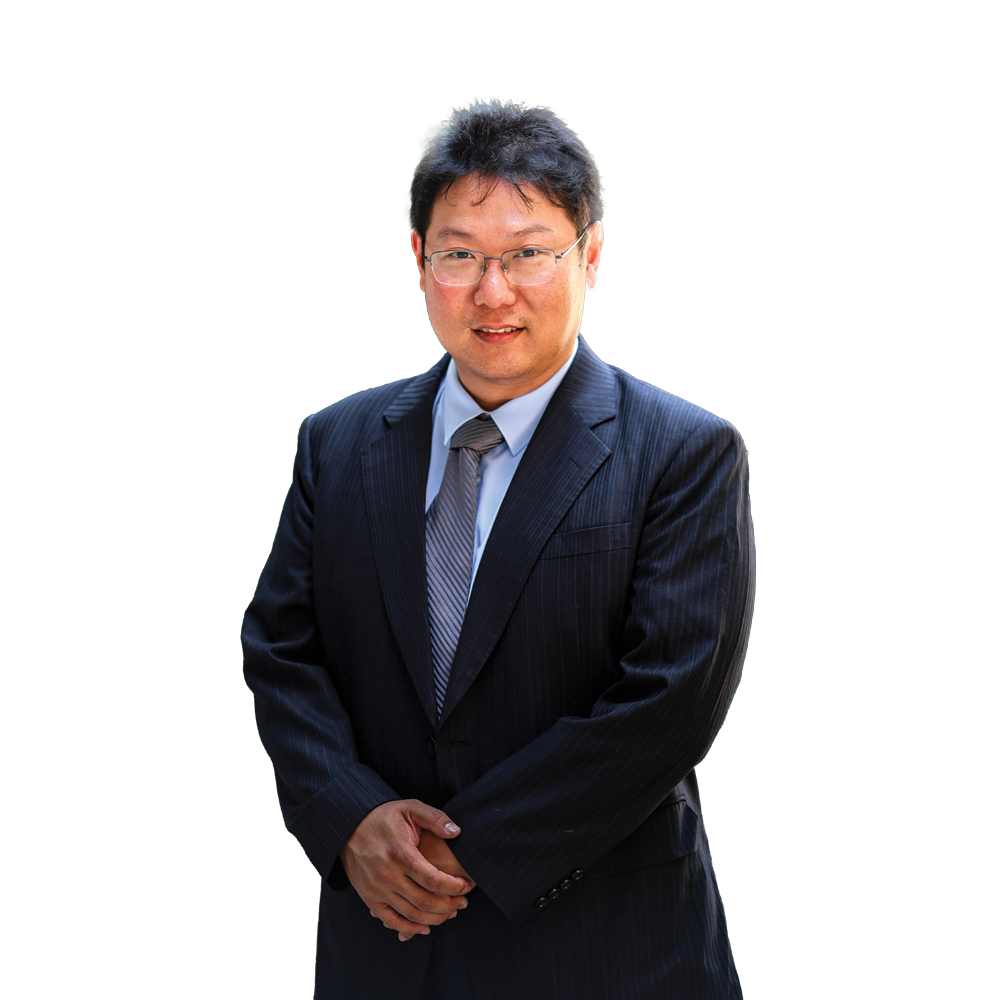
Rigorous curricula, advanced pathways, and experiential learning that challenge and inspire.
A diverse community of 20+ nationalities where cultural respect and cross-cultural collaboration shape global leaders.
Leadership opportunities, wellbeing support, and passion-driven learning that nurtures well-rounded individuals.
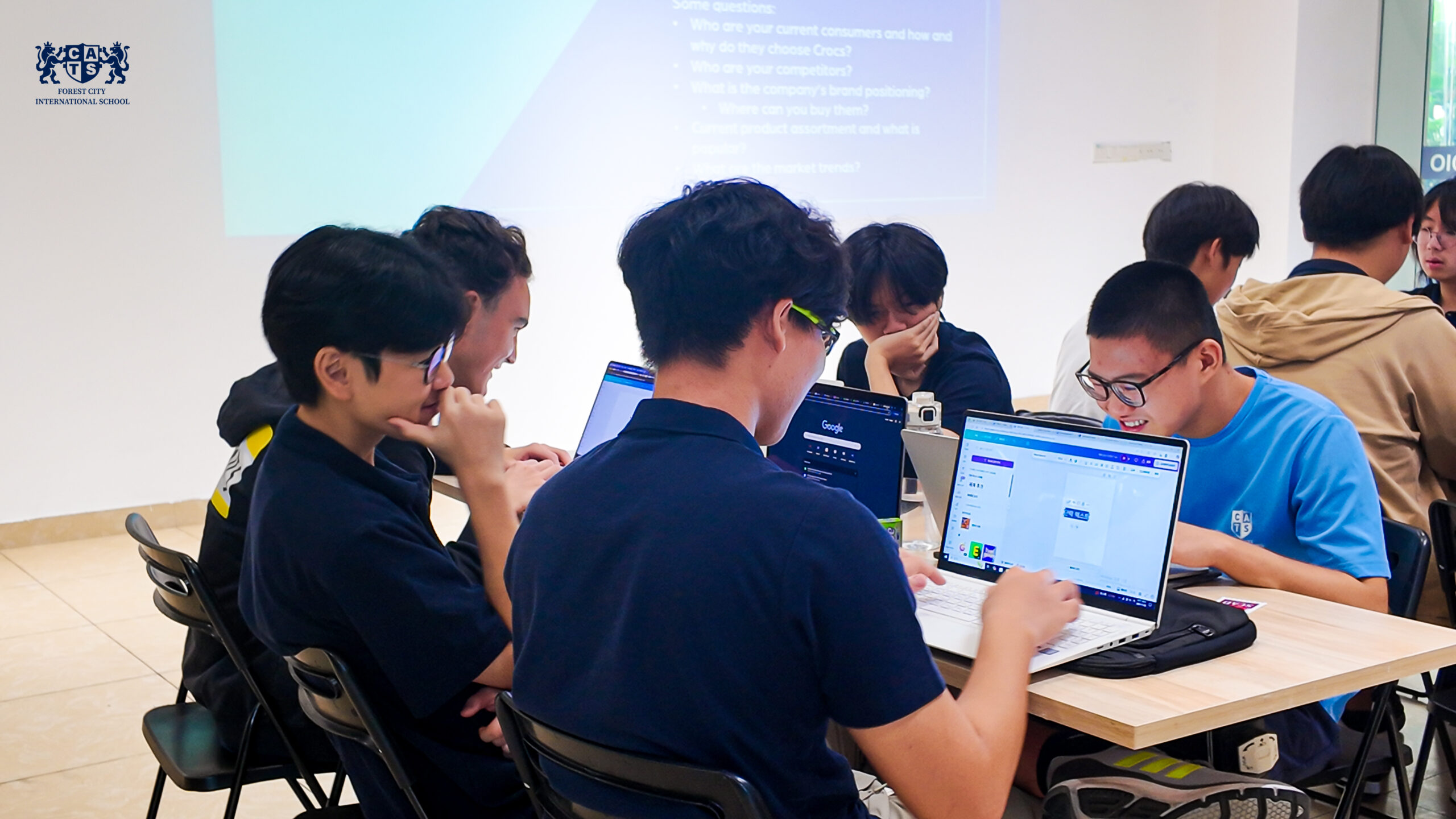
The Middle Years (G7–G8) at FCIS is a pivotal transition phase—bridging primary education to high school with a focus on building foundational skills, nurturing curiosity, and fostering independence.
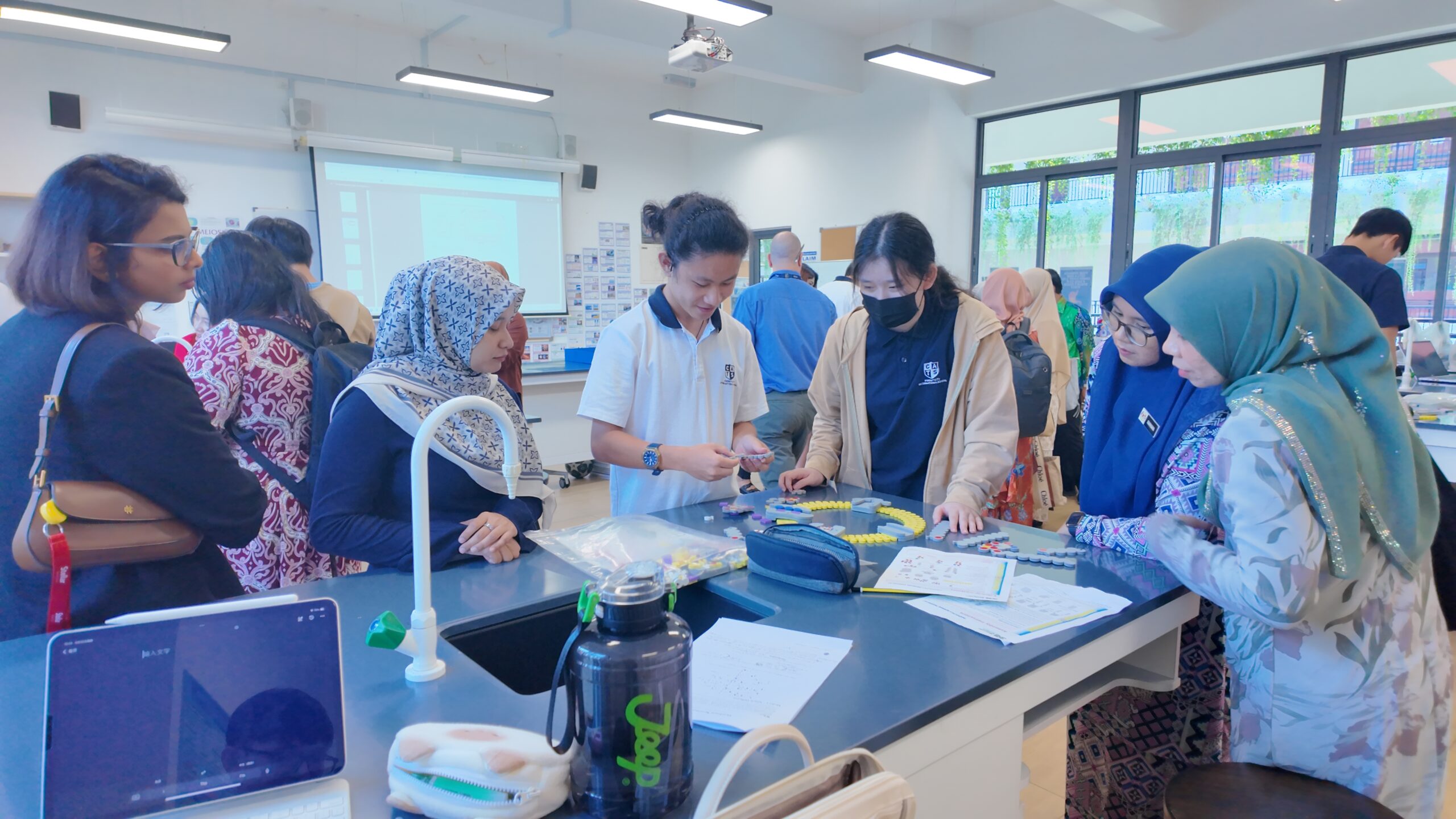
FCIS High School (G9–12) is where ambition meets action. Our vision is to empower students to become independent, critical thinkers and global change-makers—prepared to excel in university and shape their futures.
Take a quick preview of our Upper School catalog to learn more about the Upper School syllabus.
Our ECA (Extra-Curricular Activities) program is an integral part of our school community, offering a diverse range of enriching opportunities for students to explore their passions, develop new skills, and broaden their horizon beyond the classroom.
Explore more of our students’ activities at school.
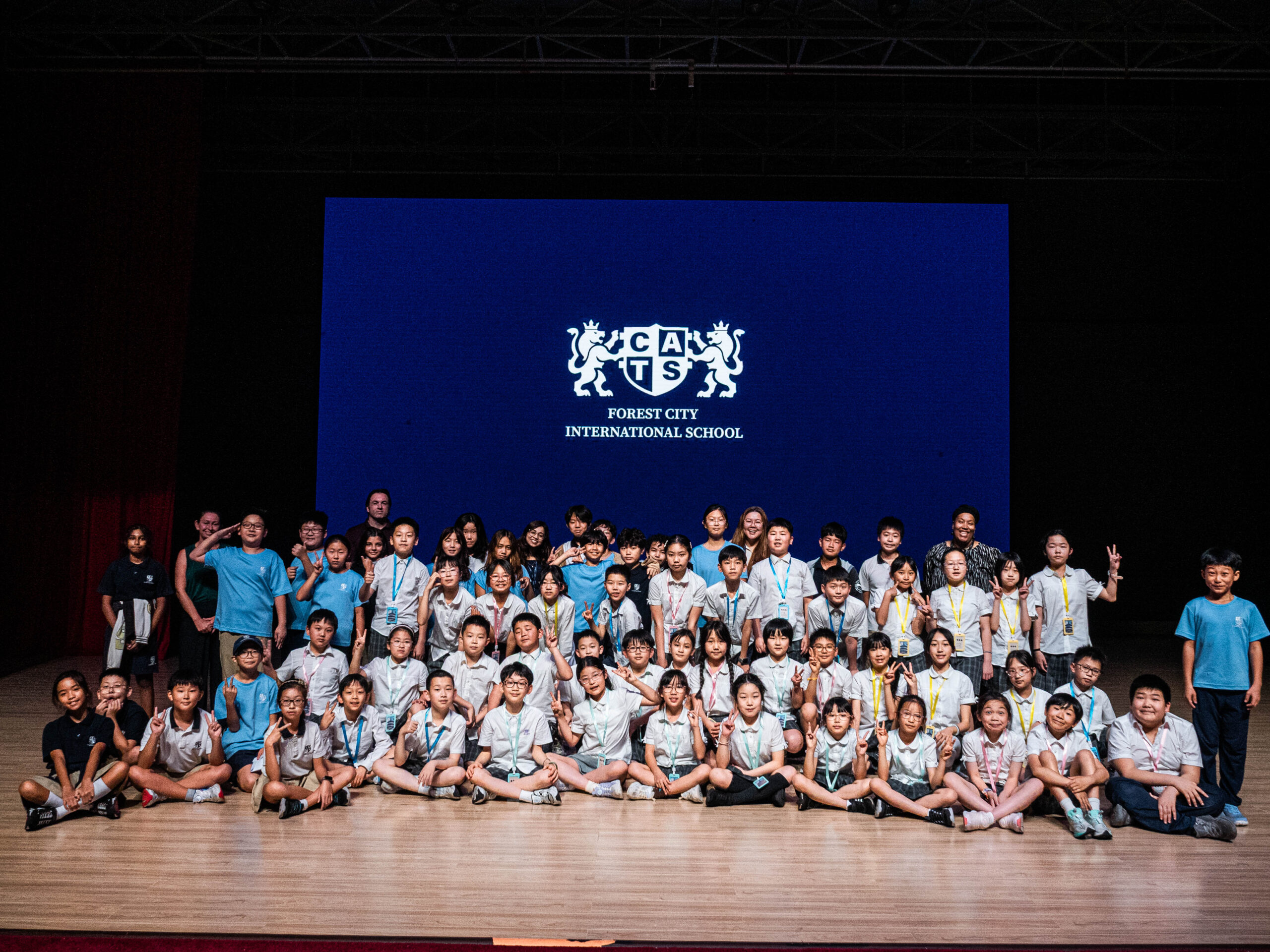
Our FCIS community came together for a fun and festive...
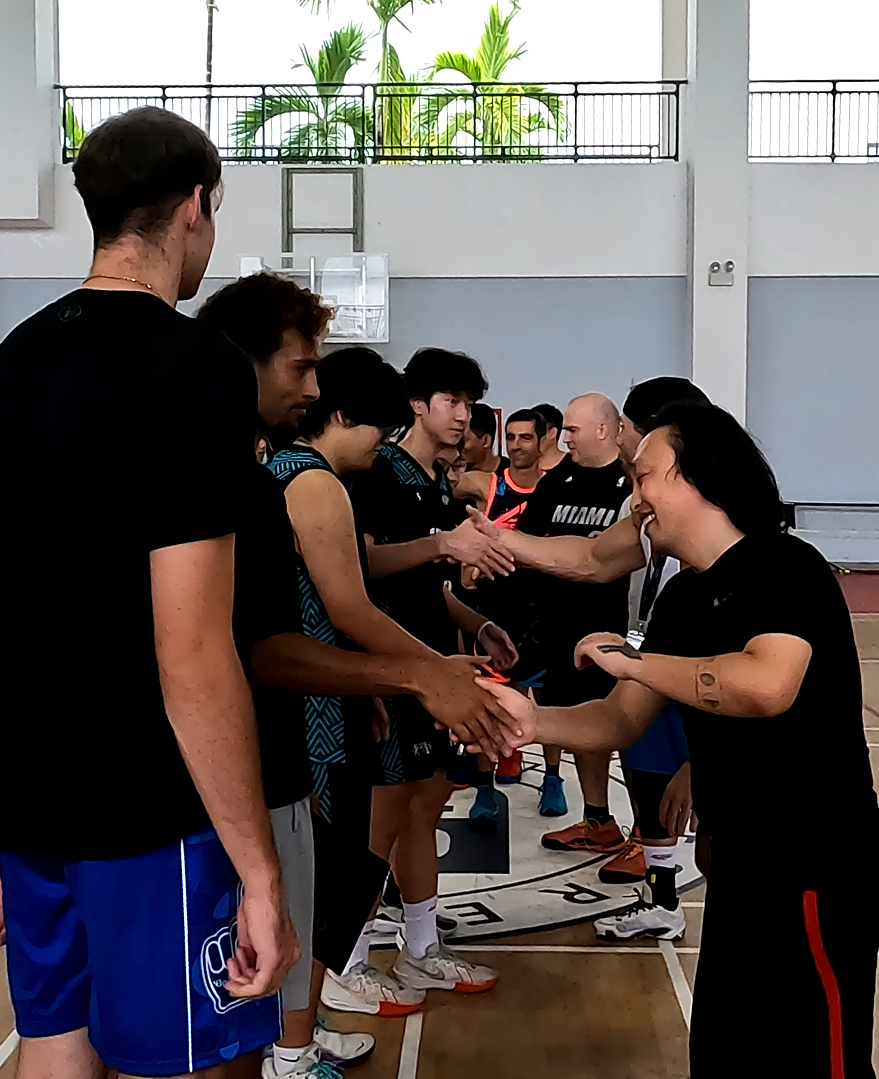
Read More4th Annual Basketball Staff vs Students Fun Game 2025-26 The...
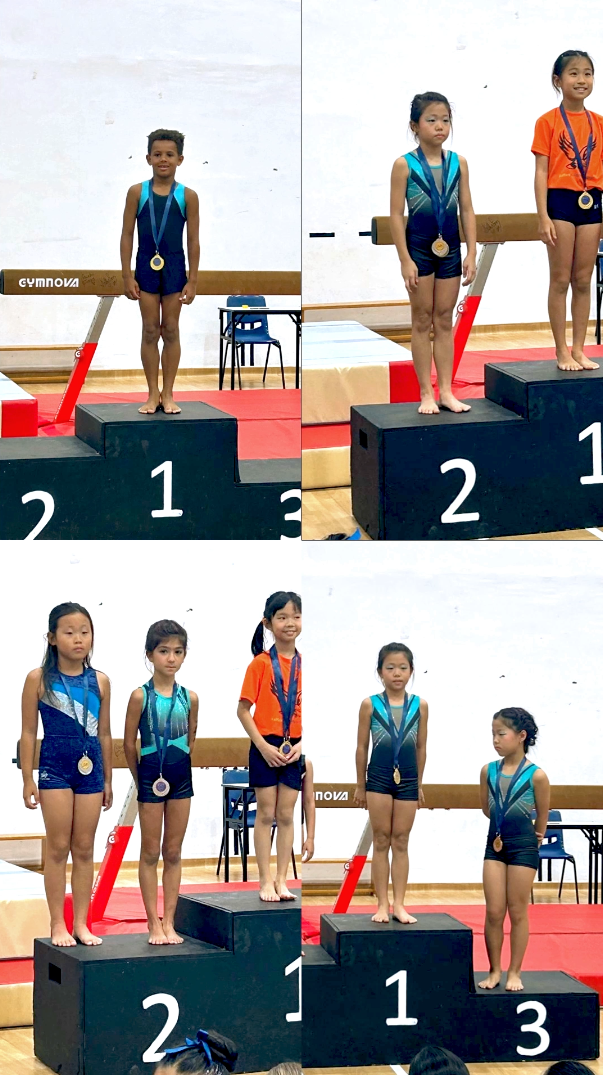
Read MoreGymnastic Competition 2026 We’re proud of our Lower School gymnastics...
Read MoreOur FCIS community came together for a fun and festive...
Read MoreWe offer personalized, one-on-one counseling to ensure each student finds their best-fit university. Our support is comprehensive, covering academic planning, extracurricular activities, essay writing, scholarships, and financial aid.
Answers to frequently asked questions.
Our curriculum balances rigor with flexibility—NEASC-accredited core subjects, diverse electives, and multi-pathway options (AP/UFP/A-Level) to meet individual goals. We emphasize 21st-century skills and real-world application.
Yes—we provide academic support (tutoring, study skills workshops), differentiated instruction, and a multi-tiered system of support to address individual needs.
AP courses are available for G10–12, with access based on teacher recommendations and academic readiness.
It depends on university goals—AP for US/Canada, A-Level for UK/Europe, UFP for accelerated UK/Asian/Australian admissions. Our college counselors help students choose the right fit.
We offer multi-level EAL programs (JumpStart, iEAL, aEAL) with small-group classes, subject-specific language support, and peer mentorship to ensure integration and proficiency.
It varies by student, but most transition to full mainstream participation within 1–2 years, with ongoing support as needed.
We use formative (quizzes, classwork) and summative (exams, projects) assessments to measure mastery. Progress reports and parent-teacher conferences keep families updated.
We use MAP assessments to track progress and tailor support, plus AP/A-Level/UFP exams for advanced pathways.
Dedicated counselors, restorative practices, peer mentorship, and a safe, inclusive community. We address social-emotional needs alongside academic growth.
G8 focuses on foundational skills (academic English, math fluency), time management, and independence. Transition workshops and meetings with high school teachers ensure a smooth shift.
Sports, clubs (MUN, Robotics, Art), events (university fairs, art exhibitions), community service, and leadership opportunities—there’s something for every interest.
Digital tools enhance learning (Google Classroom, research databases) and build technical skills (coding, robotics). We teach digital citizenship to ensure responsible use.
Back to School Night, parent-teacher conferences, volunteer opportunities, and regular communication (emails, newsletters, ManageBac) keep parents connected.
Graduates are admitted to Top 100 universities worldwide—including University of Toronto, NYU, University of the Arts London, and Hong Kong University—in fields like STEM, business, arts, and social sciences.
PTD 5093 (PLOT 62)
JALAN FOREST CITY 9
FOREST CITY
81550 GELANG PATAH
JOHOR, MALAYSIA.


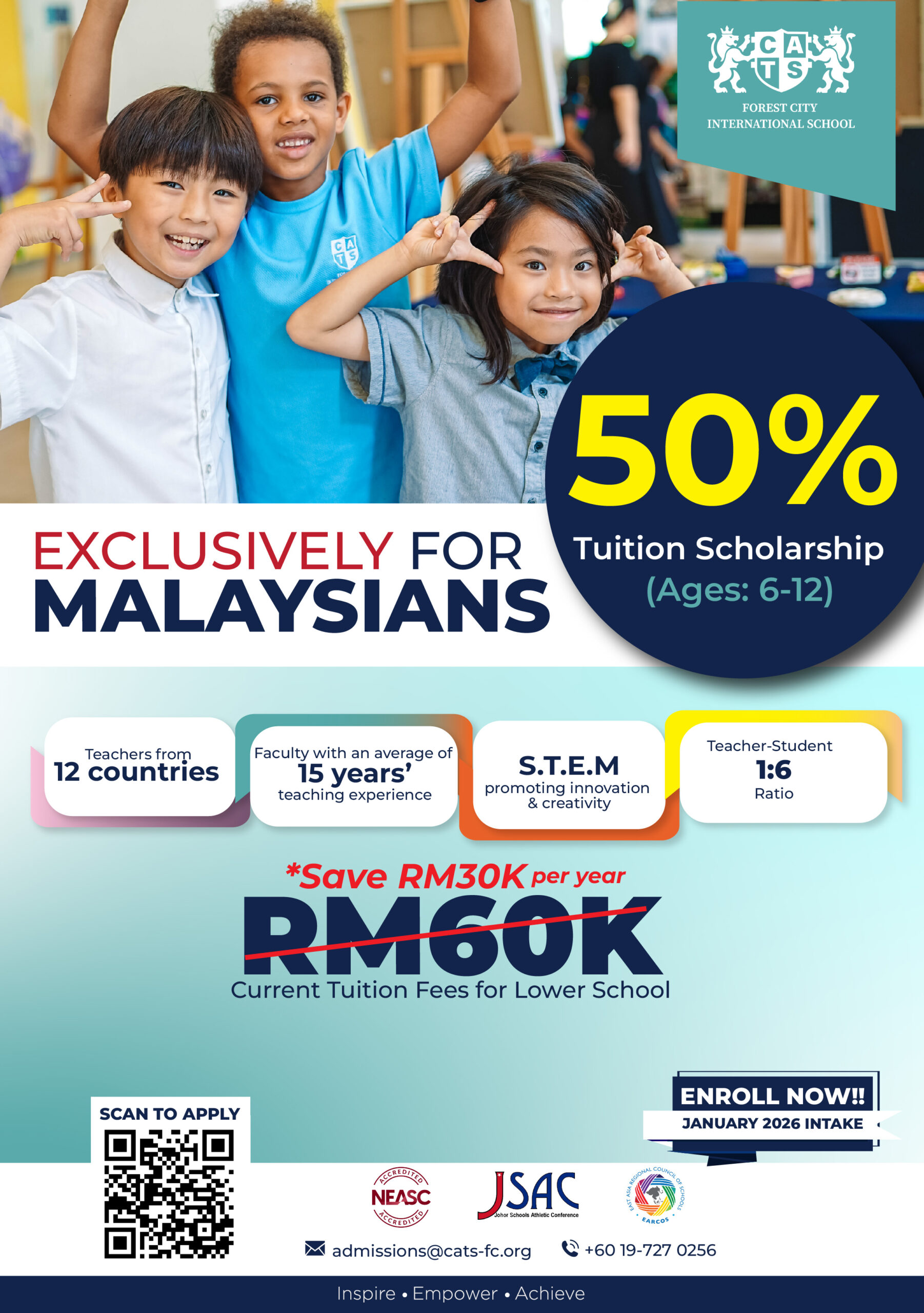
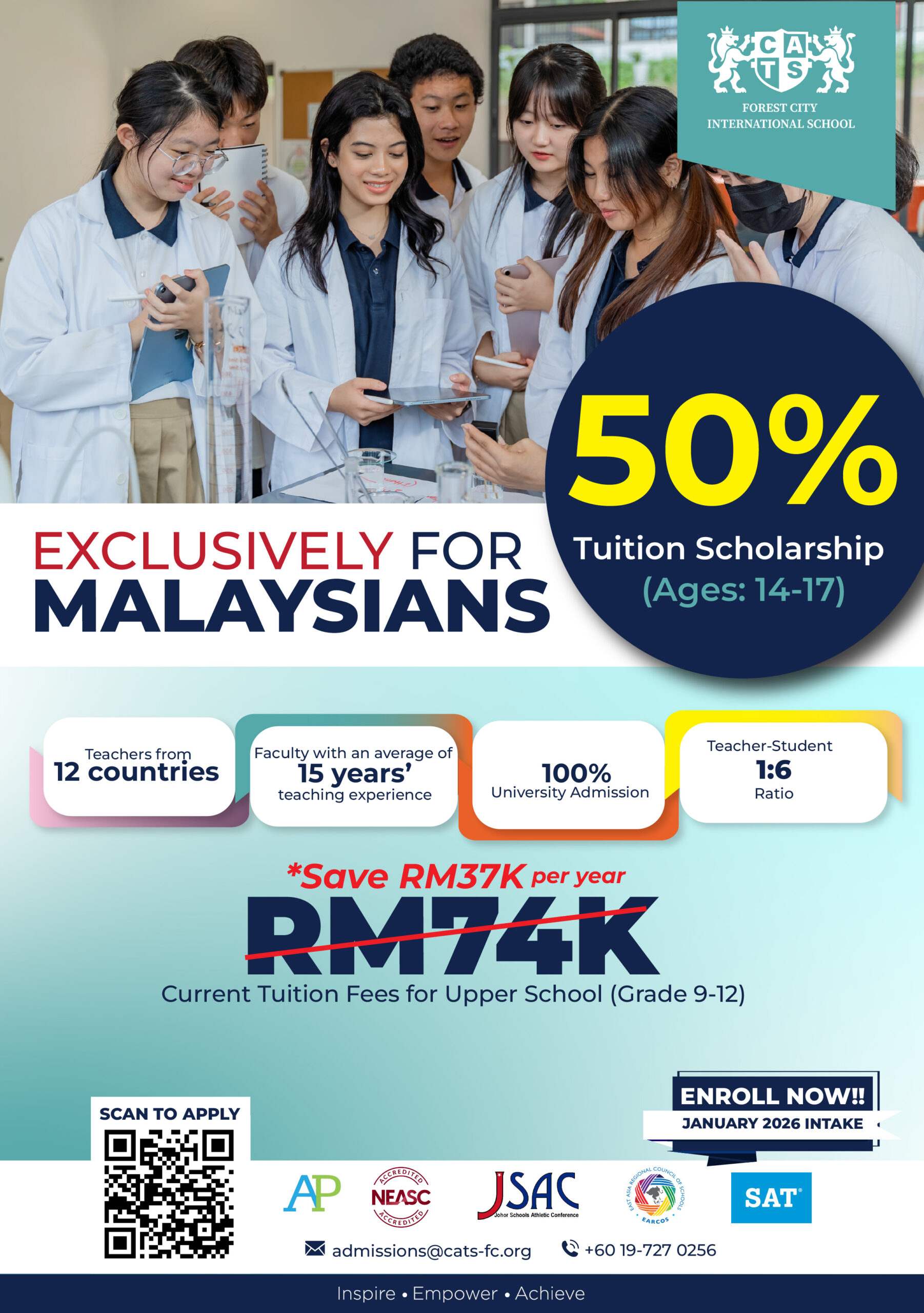
Don’t miss out on this rare chance, enroll now and give your child an advantage that lasts a lifetime at Forest City International School! We inspire, we empower and we achieve together!
Forest City International School Welcomes A New Head of School
We are thrilled to announce that Matthew will be joining FCIS as Head of School this April!
With over 30 years of international education experience, Matthew brings leadership, vision, and passion to our community.
A bestselling author and Fellow of the Royal Asiatic Society and the Royal Society of Arts, he is ready to inspire, empower, and guide our students toward excellence.
Join us in welcoming Matthew and get ready for an exciting new chapter at FCIS!